Fresh produce companies operate in a fast-paced industry where traditional enterprise resource planning (ERP) systems often fall short. Fortunately, over the years, technology has evolved to meet the specific complexities of the fresh produce supply chain.
In this blog, we explore how robust traceability and purpose-built functionality give fresh produce companies the foundation they need to stay competitive and streamline operations at scale.
Key Takeaways
The ability to trace product instantly back to the field lot and forward to the retailer is essential to prevent mass product disposal and protect retail partnerships.
Generic ERPs struggle with the non-linear produce cycle whereas a purpose-built system can manage ownership transfers and variable pricing structures.
As the fresh produce industry consolidates, the transition to specialized software is a strategic necessity for companies looking to eliminate operational friction and achieve scale.
Strategic Advantage #1: Robust Traceability
Traceability is crucial for fresh produce, allowing trading partners to follow products forward and backward through the supply chain. Although the Food Safety Modernization ACT (FSMA) has been pushed to July 20, 2028, traceability remains a critical aspect of protecting your brand. When a safety concern arises, the speed at which you identify the source determines the extent of your financial and reputational loss.
Unlike a generic ERP, a produce‑specific ERP is able to trace a product back to the individual field lot and forward through repackers, distributors, and on to the retailer. This level of robustness allows you to isolate specific affected lots and associated orders.
Without it, a company may be forced to tell a retailer to discard everything they’ve received, instead of targeting only the lots tied to the issue—a difference that can be financially devastating and permanently damage key retail relationships.
Strategic Advantage #2: Purpose-Built Functionality
Standard ERP systems are designed for a traditional, linear workflow: buy raw materials at a fixed price, transform them, and sell finished goods on a straightforward cost-plus basis. In the world of fresh produce, the process is rarely that clean. Ownership often transfers from a grower to a packer or distributor before a final price is even determined, demanding a level of nuance that generic software simply cannot support.
A purpose-built fresh produce ERP, however, can provide the foundational elements required to manage these specific complexities:
Grower Accounting & Settlements: A produce‑specific ERP can support flexible grower accounting and settlements. This allows the repacker to settle back to the grower after the product is repacked and sold, in a way that reflects how produce companies actually operate.
Variable Pricing Structures: Commodity prices can fluctuate day by day. A produce‑specific system must handle this volatility so that companies can buy from growers one day and sell on another at a different price, with the ERP accommodating those changing prices instead of assuming a fixed cost structure.
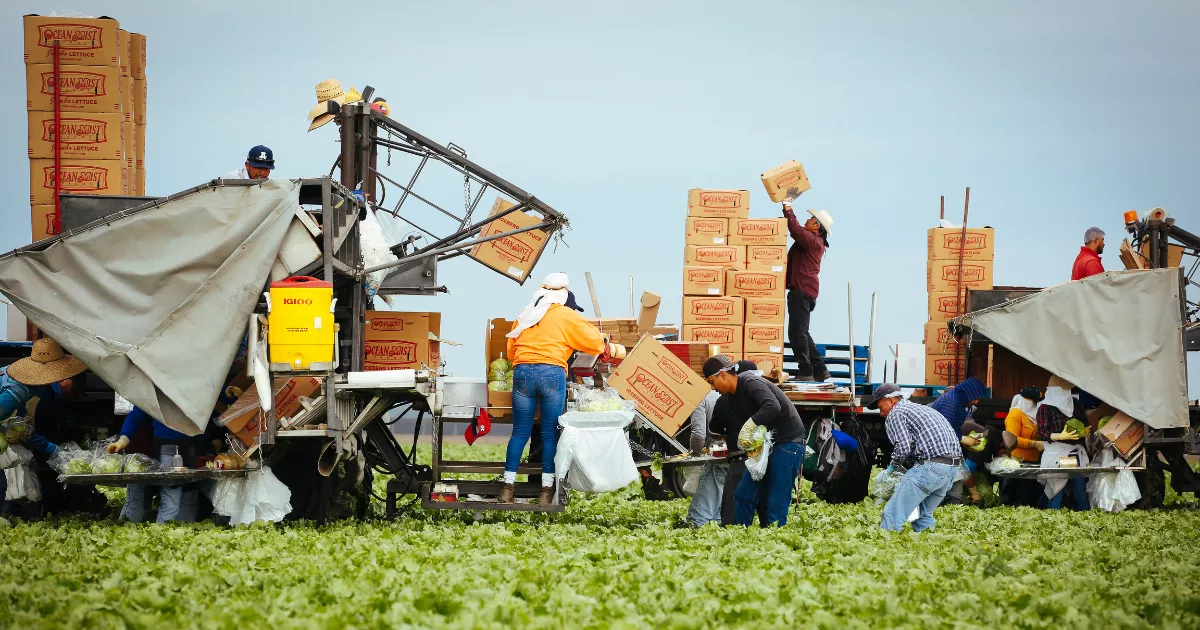
Granular Field Payroll: Managing a workforce in the field involves complex pay structures—by the day, hour, or piece. A fresh produce ERP can provide the granular tracking needed to manage laborers and field-level data, integrating these costs directly into financial management for true profitability visibility.
Empower Your Fresh Produce Business
As the industry continues to consolidate and evolve, the advantages of a specialized ERP serve as the foundation for survival and growth. Transitioning from a generic ERP to one built for the specific demands of fresh produce is more than an upgrade—it’s a strategic move.
Frequently Asked Questions (FAQs)
How does robust traceability protect a fresh produce brand?
In the event of a safety concern, the speed at which a source is identified determines the extent of financial and reputational loss. Produce-specific ERPs trace products back to individual field lots and forward to retailers, allowing companies to isolate only the affected lots rather than discarding entire shipments and damaging retail relationships.
Why do generic ERP systems struggle with the produce supply chain?
Standard ERPs are designed for linear workflows with fixed raw material prices and simple cost-plus sales. Fresh produce often involves non-linear processes where ownership transfers between growers, packers, and distributors before final prices are determined—a complexity generic software cannot support.
Why is transitioning to a specialized ERP considered a strategic move?
As the fresh produce industry consolidates, the strategic advantages of a specialized ERP serve as the foundation for survival and growth. Moving away from operational friction to a system built for specific produce demands is essential for companies looking to scale.